
silver bathroom vanity mirror
The Precision of Micrometers An Essential Tool in Engineering and Manufacturing Micrometers, often referred to as micrometer screws, are precision measuring instruments used extensively in various fields such as engineering, manufacturing, and scientific research. These devices are crucial for ensuring accurate measurements of objects, often down to a fraction of a millimeter. The significance of micrometers lies in their ability to provide precise measurements, which are essential for maintaining quality control and ensuring that components meet specified tolerances. Micrometers function based on the principle of a screw mechanism, wherein a rotational movement translates into linear movement. This design allows for highly accurate readings, typically ranging from 0.01 mm to 0.001 mm, depending on the type of micrometer. The most common type is the outside micrometer, which measures the external dimensions of an object. There are also inside micrometers for internal measurements and depth micrometers for measuring depth. The precision of a micrometer can be attributed to several key factors, including the material from which it is made, the quality of its manufacturing, and the calibration techniques applied. High-quality micrometers are often constructed from hardened steel or other durable materials that resist wear and maintain their accuracy over time. Furthermore, precise manufacturing processes ensure that the screw threads and measuring faces are perfectly aligned, allowing for accurate measurements without parallax error. the precision of micrometer Calibration is another critical aspect of maintaining the precision of micrometers. Regular calibration against known standards is necessary to ensure that measurements remain accurate . Many professional environments have dedicated calibration equipment to verify the accuracy of their measuring instruments. This step is essential, as even minor deviations can lead to significant errors in manufacturing processes, ultimately affecting product quality and performance. In addition to their mechanical design, modern technology has introduced digital micrometers that offer enhanced precision and ease of use. Digital displays provide easy-to-read measurements and often include additional features, such as data logging and conversion between measurement units. These advancements make digital micrometers particularly appealing in high-precision applications, where users require quick and accurate readings without the potential for human error associated with analog scales. Despite their advantages, users must be adequately trained in the proper use of micrometers to ensure accurate measurements. Factors such as improper handling, environmental conditions, and user technique can all impact the precision of readings. For example, applying excessive force when closing the measuring faces can distort the object being measured, leading to inaccurate results. In conclusion, the precision of micrometers is fundamental to various industries that rely on accurate measurements for product development and quality assurance. From their mechanical design to the necessity of regular calibration and user training, every aspect contributes to the effectiveness of these instruments. As technology continues to evolve, the role of micrometers will remain vital, ensuring that standards of precision are met in an increasingly complex manufacturing landscape. Their significance as an indispensable tool underscores the relationship between precision measurement and successful engineering and manufacturing practices.
about
silver bathroom vanity mirror
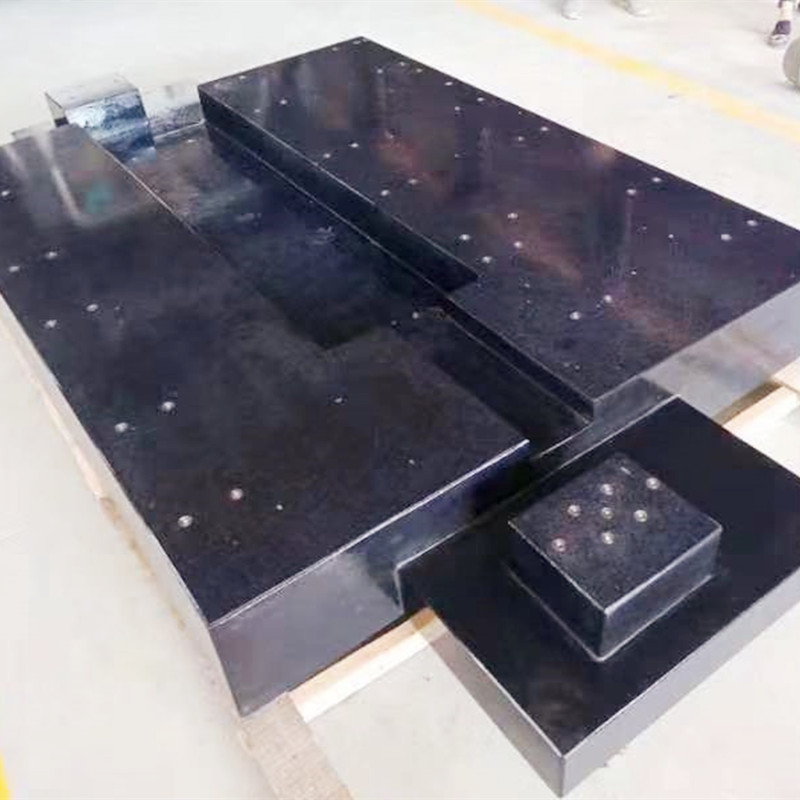
The Versatility and Importance of Large Granite Surface Plates Granite surface plates are essential tools in the fields of engineering, manufacturing, and quality control. Known for their durability, stability, and superior flatness, large granite surface plates provide a reliable and accurate reference for measuring and inspecting various components and systems. This article delves into the significance of these surfaces and their applications across different industries. Understanding Granite Surface Plates Granite surface plates are crafted from natural granite, which is chosen for its remarkable consistency and ability to withstand environmental influence. Sizes can vary significantly; however, large granite surface plates, typically measuring over 1 meter in length and 1 meter in width, are particularly valued in professional settings. The manufacturing process involves precision leveling and polishing, ensuring that the finished surface achieves an exceptional degree of flatness. This precise surface acts as a benchmark for fabricating parts and conducting inspections. Key Benefits of Large Granite Surface Plates 1. Stability and Rigidity Granite is an incredibly strong material that does not warp or bend over time, which ensures that measurements remain consistent across the lifetime of the plate. This rigidity is crucial for maintaining high precision in measurements, especially in environments that may experience temperature fluctuations or vibrations. 2. Thermal Stability Granite has a low coefficient of thermal expansion. This means that it expands and contracts minimally with changes in temperature, making it suitable for use in climate-variable environments. Engineers and quality controllers can rely on granite surface plates to provide accurate measurements regardless of the surrounding conditions. 3. Inherent Flatness Due to the careful machining processes involved in their production, large granite surface plates exhibit exceptional flatness. Many plates are guaranteed to achieve tolerances as tight as 0.001 inches per foot. This level of precision is critical when positioning and inspecting parts, ensuring that any adjustments or adjustments made are minimal and accurate. large granite surface plate 4. Ease of Maintenance Granite surfaces are easy to maintain. They are resistant to staining and scratching, making them relatively low-maintenance compared to surfaces made from other materials. Cleaning typically requires nothing more than a mild soap solution and a soft cloth, which is advantageous in busy workshop environments. 5. Resistance to Chemicals Granite is highly resistant to spills from oils, solvents, and other chemicals commonly found in manufacturing settings. This resistance reduces the risk of contamination and damage, further extending the lifespan of the surface plate. Applications of Large Granite Surface Plates The applications of large granite surface plates are vast. In machine shops, they serve as a foundation for calibrating machines, ensuring they operate within specified tolerances. In quality control labs, they provide a stable platform for inspecting the dimensions and geometries of manufactured components. Industries such as aerospace, automotive, and electronics heavily rely on the accuracy provided by these plates to maintain their stringent quality standards. Moreover, large granite surface plates are also utilized in the arts and crafts sectors for sculpting and fabrication, providing artists with a sturdy surface to work upon and ensuring that their creations maintain structural integrity. Conclusion Large granite surface plates represent an invaluable resource for industries that depend on precision and accuracy in their measurements. With their outstanding durability, stability, and resistance to environmental factors, they enhance quality and reliability in production processes. As technology continues to evolve, the role of granite surface plates will undoubtedly remain significant, supporting engineers and manufacturers in their quest for excellence. Investing in a high-quality granite surface plate is not merely a decision for today, but a strategic choice for the future of precision manufacturing and quality assurance.
-

High quality industrial productsagement

High quality industrial products
View Details -

Meet the diverse needs of customers

Meet the diverse needs of customers
View Details -

Strict quality control

Strict quality control
View Details -

Top raw materials

Top raw materials
View Details -

Trusted supplier

Trusted supplier
View Details
Our application
news and information
Water Valve Features for Efficient Flow Control
In the dynamic field of fluid management, valves serve as indispensable components, acting as the gu
Welding Inspection Tools for Precision Measurement and Quality Assurance
The Importance of Welding Inspection Rulers in Quality Control Welding is a fundamental process in v
Vanne à papillon DN100 - Solutions de contrôle de fluides de haute qualité
La vanne à soupape DN100 Une solution essentielle pour la gestion des fluides Dans le domaine de l'i
 English